Building a home or commercial property is a long-term investment. The strength, durability, and appearance of your structure heavily depend on the quality of bricklaying. Whether you’re planning a new home, renovation, office space, or retail building, choosing the right bricklayer is critical.
Poor workmanship can lead to cracks, structural weaknesses, and expensive repairs. That’s why selecting an experienced and professional bricklayer should never be rushed.
Let’s explore how to choose the right bricklayer for residential and commercial work step by step.
1. Understand Your Project Requirements First
Before hiring anyone, clearly define your project type. Residential and commercial bricklaying are not the same.
Residential projects usually include:
- House construction
- Boundary walls
- Extensions and renovations
- Garden walls and decorative features
Commercial bricklaying projects may involve:
- Office buildings
- Warehouses
- Shopping complexes
- Large-scale structural developments
Commercial work often requires larger teams, strict deadlines, and compliance with advanced safety regulations. Hiring someone who specializes in your type of project ensures smoother execution.
2. Check Experience and Past Projects
Experience plays a major role in bricklaying quality. A seasoned bricklayer understands structural techniques, material behavior, and weather conditions.
When evaluating experience:
- Ask how many years they have been working
- Request a portfolio of completed projects
- Check if they’ve handled projects similar to yours
- Visit a completed site if possible
For commercial work, ensure the contractor has experience managing large-scale developments and working with architects and engineers.
Remember, experienced bricklayers don’t just lay bricks — they prevent future structural problems.
3. Verify Qualifications and Certifications
Professional bricklaying services should meet industry standards. Hiring a qualified bricklayer ensures compliance with building regulations.
Look for:
- Trade certifications or apprenticeships
- Construction safety training
- Local licensing (if required)
- Membership in professional associations
For commercial projects, documentation becomes even more important. Certified professionals are more likely to follow proper building codes and safety standards.
4. Review Work Quality and Attention to Detail
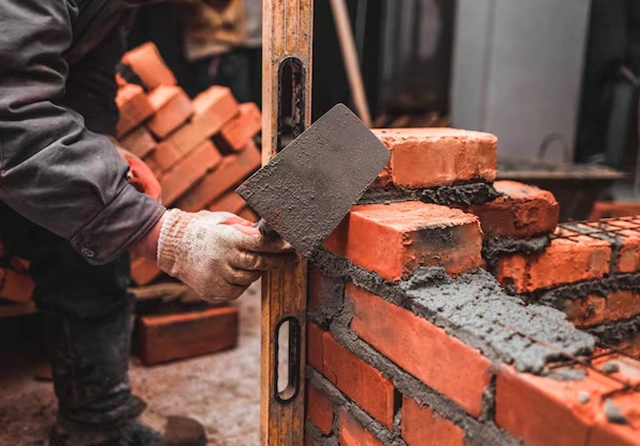
High-quality brickwork is easy to spot when you know what to look for. Even small mistakes can affect durability and appearance.
Examine:
- Straight and level brick alignment
- Uniform mortar joints
- Clean finishes without excessive mortar stains
- Strong bonding patterns
- Proper corner finishing
Poor bricklaying can lead to water leakage and cracking over time. Always inspect previous work carefully before making your decision.
5. Compare Detailed Written Quotes
Price is important — but it shouldn’t be the only deciding factor.
When requesting quotes, ensure they include:
- Labor costs
- Material costs
- Project timeline
- Payment schedule
- Scope of work
Avoid choosing the cheapest option blindly. Low pricing may indicate compromised materials or inexperienced labor. Instead, compare value, reputation, and quality.
A transparent and detailed quote reflects professionalism.
6. Ask About Insurance and Liability
Insurance is non-negotiable, especially for commercial projects.
Ensure the bricklayer has:
- Public liability insurance
- Workers’ compensation coverage
This protects you from financial responsibility in case of accidents or property damage during construction. Without insurance, you may be exposed to legal and financial risks.
7. Evaluate Communication and Professionalism
Good communication is a sign of a reliable contractor. During initial discussions, observe how they respond.
Professional bricklayers typically:
- Answer questions clearly
- Explain materials and techniques
- Provide realistic timelines
- Communicate costs transparently
For commercial projects, coordination with other contractors is essential. A bricklayer who communicates well helps prevent delays and misunderstandings.
8. Discuss Timeline and Project Management
Time management is critical in both residential and commercial construction.
Clarify:
- When the project will start
- Estimated completion time
- Workforce size
- Contingency plans for delays
Commercial projects often have strict deadlines tied to financial commitments. Choose a contractor who has the resources to meet your schedule. Clear expectations reduce project stress.
9. Understand Materials and Construction Techniques
Not all bricks and mortar mixes are the same. A knowledgeable bricklayer will recommend suitable materials based on your project.
They should guide you on:
- Brick types (clay, concrete, engineering bricks)
- Mortar mix ratios
- Weather resistance considerations
- Energy-efficient construction options
In commercial work, structural load-bearing capacity is especially important. A skilled bricklayer understands these technical aspects.
10. Look for Guarantees and Long-Term Reliability
A confident professional stands behind their work.
Ask about:
- Workmanship guarantees
- Repair policies
- Post-completion support
Reliable bricklayers focus on long-term customer satisfaction rather than short-term profit.
Common Mistakes to Avoid
To ensure you hire the right bricklayer, avoid these common mistakes:
- Skipping reference checks
- Ignoring insurance verification
- Hiring without a written contract
- Choosing based only on low price
- Not reviewing previous projects
Taking extra time during the selection process prevents costly repairs later.
Residential vs Commercial Bricklaying: Key Differences
Understanding the difference helps you choose the right specialist.
Residential Bricklaying:
- Smaller projects
- More focus on aesthetics
- Flexible timelines
- Limited workforce
Commercial Bricklaying:
- Large-scale construction
- Strict safety standards
- Tight deadlines
- Requires bigger teams
Hiring a bricklayer with the right specialization ensures better results.
Final Thoughts
Choosing the right bricklayer for residential and commercial work requires careful evaluation of experience, qualifications, pricing, and professionalism. Quality bricklaying directly affects the strength, durability, and appearance of your property.
Take your time, compare multiple contractors, and prioritize expertise over low cost. A skilled bricklayer ensures your investment remains strong for decades.
Making the right choice today saves you money, stress, and structural problems in the future.