
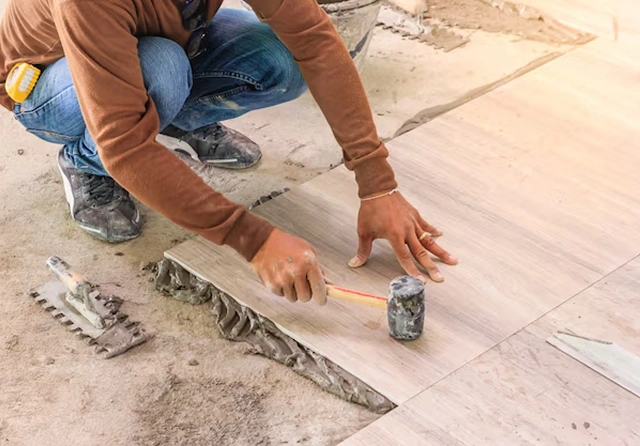
Tiling can transform the look of any space — whether it’s a bathroom, kitchen, living room, or commercial area. However, even high-quality tiles can fail if installation is done incorrectly. Many homeowners and even inexperienced contractors make avoidable mistakes that lead to cracks, uneven surfaces, and expensive repairs. Understanding common tiling mistakes and how to avoid them can save you time, money, and frustration. Let’s explore the most frequent tile installation errors and practical ways to prevent them. 1. Poor Surface Preparation One of the biggest tiling mistakes happens before the first tile is even laid. Skipping proper surface preparation leads to long-term problems. Common issues caused by poor preparation: Loose tiles Cracking Uneven surfaces Water seepage How to Avoid It Ensure the surface is clean and dust-free Repair cracks and damaged areas Level the surface properly Install cement backer board if required Make sure the area is completely dry A stable, flat, and clean surface is the foundation of successful tile installation. 2. Not Checking for Level and Alignment Uneven tiles — also known as “lippage” — are a common complaint. This usually happens when installers don’t check alignment regularly. Problems caused by uneven tiles: Tripping hazards Poor appearance Weak bonding Uneven grout lines How to Avoid It Use a spirit level frequently Work in small sections Use tile spacers Check alignment after placing every few tiles Taking extra time to check levels ensures a professional finish. 3. Using the Wrong Adhesive Not all adhesives are suitable for every tile type or environment. Using the wrong adhesive can result in tiles lifting or falling off. For example: Bathroom tiles require moisture-resistant adhesive Large-format tiles need stronger bonding Outdoor tiles require weather-resistant materials How to Avoid It Choose adhesive based on tile type Consider room conditions (wet, dry, outdoor) Follow manufacturer recommendations Mix adhesive according to instructions Correct adhesive selection is critical for durability. 4. Incorrect Mortar Mixing Improperly mixed mortar can weaken tile bonding. Too much water makes it weak, while too little water reduces workability. Common results include: Weak adhesion Hollow sounds under tiles Tiles detaching over time How to Avoid It Follow exact mixing ratios Mix thoroughly until smooth Avoid re-tempering (adding water after it sets) Prepare small batches at a time Consistency ensures strong and lasting tile adhesion. 5. Skipping Tile Layout Planning Jumping straight into installation without planning layout is a major mistake. Without planning: Tiles may look uneven Edges may have tiny awkward cuts Patterns may not align properly How to Avoid It Measure the space carefully Mark center lines Dry-lay tiles before applying adhesive Adjust layout for symmetry Proper planning enhances the visual appeal of your tiled space. 6. Not Allowing Proper Drying Time Many tiling failures occur because people rush the process. Common mistakes include: Walking on tiles too soon Grouting before adhesive sets Using the area immediately after installation How to Avoid It Allow adhesive to cure fully (usually 24 hours) Follow manufacturer drying times Avoid heavy loads during curing Patience ensures durability. 7. Ignoring Expansion Gaps Tiles expand and contract with temperature changes. Without proper expansion gaps, tiles may crack or lift. Problems caused by no expansion space: Cracked tiles Buckling floors Damaged grout How to Avoid It Leave small gaps near walls Use flexible sealant at edges Install movement joints in large areas This is especially important in commercial or large residential spaces. 8. Poor Grouting Techniques Grouting is often treated as a minor step, but it plays a major role in strength and appearance. Common grouting mistakes: Applying grout too early Not filling joints completely Leaving excess grout residue Using the wrong grout type How to Avoid It Wait until adhesive fully cures Use proper grout float technique Clean tiles before grout dries Choose waterproof grout for wet areas Proper grouting improves both durability and aesthetics. 9. Using Low-Quality Materials Trying to save money by choosing cheap materials often backfires. Low-quality materials can result in: Faster wear and tear Cracks and discoloration Weak bonding Shorter lifespan How to Avoid It Invest in high-quality tiles Choose reputable adhesive brands Use durable grout Consult professionals for recommendations Quality materials enhance long-term value. 10. Attempting Complex Projects Without Experience DIY tiling can be tempting, but complex layouts or large areas require expertise. Risks of inexperienced installation: Misalignment Structural damage Wasted materials Higher repair costs How to Avoid It Hire professional tilers for large projects Seek expert advice for commercial installations Practice on small areas before major work Professional installation often saves money in the long run. Signs Your Tile Installation Has Problems Watch for these warning signs: Hollow sounds when tapped Cracks in grout lines Tiles shifting or lifting Water leakage Uneven edges Addressing issues early prevents bigger repairs later. Final Thoughts Understanding common tiling mistakes and how to avoid them is essential for achieving a durable and professional finish. Most tiling failures occur due to poor preparation, incorrect adhesive use, rushed work, or lack of planning. By focusing on: Proper surface preparation Correct materials Accurate leveling Adequate drying time Careful layout planning You can ensure long-lasting results. Whether it’s a residential renovation or commercial installation, avoiding these common tiling errors protects your investment and enhances the overall appearance of your space. Remember — successful tiling isn’t about speed. It’s about precision, preparation, and patience.
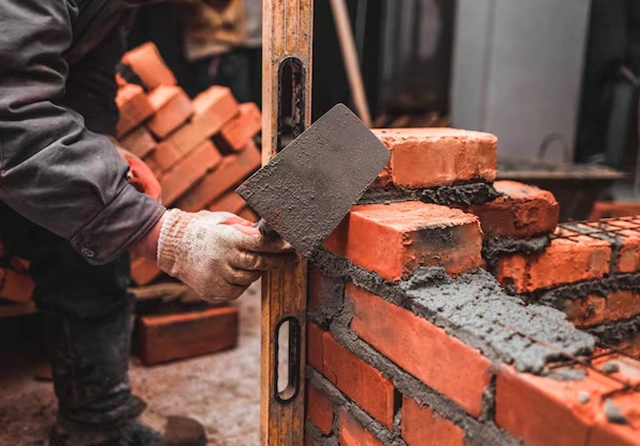
How Quality Brickwork Increases Property Value
When it comes to property investment, most people think about interior upgrades, landscaping, or modern fixtures. However, one of the most powerful yet overlooked factors that significantly impacts property value is quality brickwork. Whether it’s a residential home or a commercial building, professionally executed brickwork enhances structural strength, visual appeal, and long-term durability. In fact, high-quality brick construction can directly influence buyer perception, resale value, and overall return on investment (ROI). Let’s explore how quality brickwork increases property value and why it’s a smart investment. 1. Enhances Curb Appeal Instantly First impressions matter — especially in real estate. The exterior of a property is the first thing buyers or tenants notice. High-quality brickwork offers: Clean, uniform alignment Even mortar joints Elegant finishes Visually appealing patterns and textures Long-lasting color retention A well-constructed brick facade gives the impression of strength, stability, and premium craftsmanship. On the other hand, poorly laid bricks, cracks, or uneven lines can reduce buyer confidence. Strong curb appeal can increase perceived property value even before a potential buyer steps inside. 2. Improves Structural Strength and Durability Brick is known for its durability, but only when installed properly. Quality brickwork ensures the building remains structurally sound for decades. Professional bricklaying provides: Proper bonding techniques Correct mortar mix ratios Strong load-bearing capacity Resistance to cracking Long-term structural stability Buyers are willing to pay more for properties that promise fewer maintenance issues. A well-built brick structure signals lower risk and long-term reliability. For commercial properties, structural strength is even more critical because safety compliance directly affects property valuation. 3. Reduces Maintenance Costs One of the biggest advantages of quality brickwork is low maintenance. When brickwork is done correctly: Water penetration is minimized Mortar joints last longer Fewer repairs are required Brick discoloration is reduced Structural settling issues are minimized Properties that require less maintenance are more attractive to buyers and investors. Lower future repair costs make the property more financially appealing. Over time, the savings on maintenance significantly contribute to higher property value. 4. Increases Energy Efficiency Many property owners overlook how brickwork impacts energy performance. Properly installed brick construction can: Improve thermal insulation Regulate indoor temperature Reduce heating and cooling costs Enhance overall energy efficiency Energy-efficient homes and commercial buildings often command higher market prices. Buyers today actively look for sustainable and cost-saving features. Quality brickwork contributes to better insulation, which improves long-term energy savings — a strong selling point in modern real estate markets. 5. Boosts Longevity and ROI Brick structures are known to last for generations. However, poor workmanship can drastically shorten that lifespan. Quality brickwork ensures: Extended building lifespan Higher resistance to extreme weather Reduced risk of structural damage Long-term durability When buyers evaluate a property, longevity plays a key role. A well-constructed brick building suggests durability and stability. From an investment perspective: Durable construction increases resale value Long-lasting materials reduce depreciation Investors see better long-term returns Simply put, quality brickwork protects your investment. 6. Enhances Commercial Property Value For commercial buildings, appearance and durability directly affect business credibility. High-quality brickwork in commercial construction provides: Professional and polished appearance Improved structural safety Compliance with building standards Increased tenant confidence Strong brand image Businesses prefer operating from buildings that reflect stability and professionalism. As a result, well-built commercial brick properties often attract higher rental income and better long-term tenants. This directly impacts overall commercial property valuation. 7. Supports Architectural Design and Customization Quality brickwork isn’t just about strength — it also enhances architectural beauty. Professional bricklayers can create: Decorative brick patterns Feature walls Arches and detailed finishes Custom facades Unique textures and designs Architectural detailing adds character and uniqueness to a property. Unique properties often stand out in competitive markets, increasing demand and market value. Well-designed brick features can significantly elevate both residential and commercial properties. 8. Builds Buyer Confidence When potential buyers inspect a property, they often look closely at the exterior structure. Cracks, uneven mortar lines, or visible flaws raise concerns about deeper structural issues. Quality brickwork communicates: Professional construction standards Long-term reliability Minimal hidden problems Careful attention to detail Buyer confidence plays a huge role in property negotiations. A structurally sound and visually appealing exterior reduces objections and strengthens asking price justification. 9. Protects Against Weather and Environmental Damage Brick is naturally resistant to fire, pests, and harsh weather. However, proper installation is essential to maximize these benefits. Professional brickwork helps protect against: Heavy rainfall Wind pressure Extreme temperatures Moisture damage Termite infestation Properties with superior weather resistance maintain their value better over time. Long-term protection equals long-term appreciation. 10. Provides Long-Term Market Competitiveness Real estate markets are competitive. Properties built with quality materials and craftsmanship consistently outperform poorly constructed buildings. High-quality brick construction: Attracts more potential buyers Reduces time on market Supports stronger negotiation power Maintains value during market fluctuations In both residential and commercial sectors, durable construction remains a key selling advantage. Common Signs of Poor Brickwork That Lower Property Value To understand the value of quality brickwork, it’s important to recognize common defects: Uneven brick alignment Cracked mortar joints Water seepage marks Bulging or leaning walls Inconsistent spacing These flaws reduce buyer trust and lead to lower property valuations. Investing in professional bricklaying from the beginning prevents such costly mistakes. Final Thoughts Quality brickwork increases property value by improving curb appeal, structural strength, energy efficiency, and long-term durability. Whether you own a residential home or commercial building, professionally executed brick construction is a smart investment. Strong, well-aligned brickwork builds buyer confidence, reduces maintenance costs, and enhances market competitiveness. In real estate, durability and visual appeal directly influence pricing — and quality bricklaying delivers both. If you want to maximize your property’s long-term value, never compromise on construction quality. Investing in skilled brickwork today ensures stronger returns tomorrow.
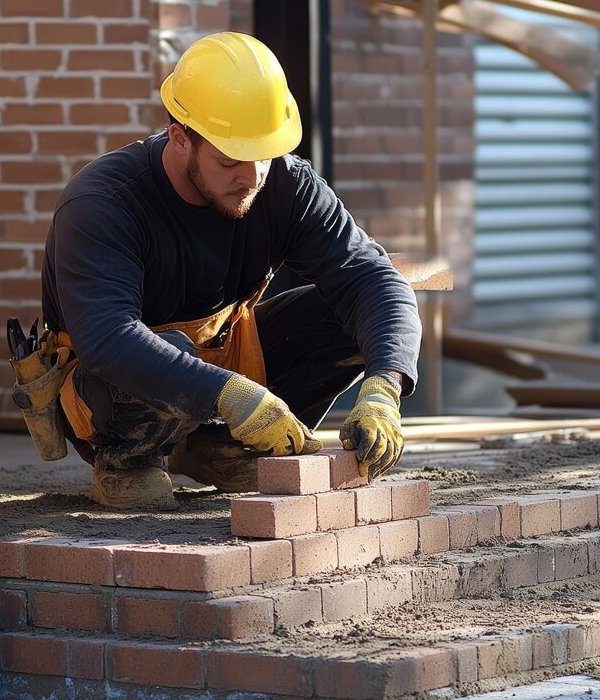
How to Choose the Right Bricklayer for Residential and Commercial Work
Building a home or commercial property is a long-term investment. The strength, durability, and appearance of your structure heavily depend on the quality of bricklaying. Whether you’re planning a new home, renovation, office space, or retail building, choosing the right bricklayer is critical. Poor workmanship can lead to cracks, structural weaknesses, and expensive repairs. That’s why selecting an experienced and professional bricklayer should never be rushed. Let’s explore how to choose the right bricklayer for residential and commercial work step by step. 1. Understand Your Project Requirements First Before hiring anyone, clearly define your project type. Residential and commercial bricklaying are not the same. Residential projects usually include: House construction Boundary walls Extensions and renovations Garden walls and decorative features Commercial bricklaying projects may involve: Office buildings Warehouses Shopping complexes Large-scale structural developments Commercial work often requires larger teams, strict deadlines, and compliance with advanced safety regulations. Hiring someone who specializes in your type of project ensures smoother execution. 2. Check Experience and Past Projects Experience plays a major role in bricklaying quality. A seasoned bricklayer understands structural techniques, material behavior, and weather conditions. When evaluating experience: Ask how many years they have been working Request a portfolio of completed projects Check if they’ve handled projects similar to yours Visit a completed site if possible For commercial work, ensure the contractor has experience managing large-scale developments and working with architects and engineers. Remember, experienced bricklayers don’t just lay bricks — they prevent future structural problems. 3. Verify Qualifications and Certifications Professional bricklaying services should meet industry standards. Hiring a qualified bricklayer ensures compliance with building regulations. Look for: Trade certifications or apprenticeships Construction safety training Local licensing (if required) Membership in professional associations For commercial projects, documentation becomes even more important. Certified professionals are more likely to follow proper building codes and safety standards. 4. Review Work Quality and Attention to Detail High-quality brickwork is easy to spot when you know what to look for. Even small mistakes can affect durability and appearance. Examine: Straight and level brick alignment Uniform mortar joints Clean finishes without excessive mortar stains Strong bonding patterns Proper corner finishing Poor bricklaying can lead to water leakage and cracking over time. Always inspect previous work carefully before making your decision. 5. Compare Detailed Written Quotes Price is important — but it shouldn’t be the only deciding factor. When requesting quotes, ensure they include: Labor costs Material costs Project timeline Payment schedule Scope of work Avoid choosing the cheapest option blindly. Low pricing may indicate compromised materials or inexperienced labor. Instead, compare value, reputation, and quality. A transparent and detailed quote reflects professionalism. 6. Ask About Insurance and Liability Insurance is non-negotiable, especially for commercial projects. Ensure the bricklayer has: Public liability insurance Workers’ compensation coverage This protects you from financial responsibility in case of accidents or property damage during construction. Without insurance, you may be exposed to legal and financial risks. 7. Evaluate Communication and Professionalism Good communication is a sign of a reliable contractor. During initial discussions, observe how they respond. Professional bricklayers typically: Answer questions clearly Explain materials and techniques Provide realistic timelines Communicate costs transparently For commercial projects, coordination with other contractors is essential. A bricklayer who communicates well helps prevent delays and misunderstandings. 8. Discuss Timeline and Project Management Time management is critical in both residential and commercial construction. Clarify: When the project will start Estimated completion time Workforce size Contingency plans for delays Commercial projects often have strict deadlines tied to financial commitments. Choose a contractor who has the resources to meet your schedule. Clear expectations reduce project stress. 9. Understand Materials and Construction Techniques Not all bricks and mortar mixes are the same. A knowledgeable bricklayer will recommend suitable materials based on your project. They should guide you on: Brick types (clay, concrete, engineering bricks) Mortar mix ratios Weather resistance considerations Energy-efficient construction options In commercial work, structural load-bearing capacity is especially important. A skilled bricklayer understands these technical aspects. 10. Look for Guarantees and Long-Term Reliability A confident professional stands behind their work. Ask about: Workmanship guarantees Repair policies Post-completion support Reliable bricklayers focus on long-term customer satisfaction rather than short-term profit. Common Mistakes to Avoid To ensure you hire the right bricklayer, avoid these common mistakes: Skipping reference checks Ignoring insurance verification Hiring without a written contract Choosing based only on low price Not reviewing previous projects Taking extra time during the selection process prevents costly repairs later. Residential vs Commercial Bricklaying: Key Differences Understanding the difference helps you choose the right specialist. Residential Bricklaying: Smaller projects More focus on aesthetics Flexible timelines Limited workforce Commercial Bricklaying: Large-scale construction Strict safety standards Tight deadlines Requires bigger teams Hiring a bricklayer with the right specialization ensures better results. Final Thoughts Choosing the right bricklayer for residential and commercial work requires careful evaluation of experience, qualifications, pricing, and professionalism. Quality bricklaying directly affects the strength, durability, and appearance of your property. Take your time, compare multiple contractors, and prioritize expertise over low cost. A skilled bricklayer ensures your investment remains strong for decades. Making the right choice today saves you money, stress, and structural problems in the future.